

Hello, readers! Isn’t it wild that the Set 3 meta is winding down? Time certainly flies.
In the first episode of this series, we talked about how we wanted to keep a sort of historical record for the mechanical additions to the game over the course of its history. Shadows of the Galaxy brought major changes to the ruleset, and it’s interesting to see how things like that shake out over time.
We continue this endeavor by meditating for a moment on Set 3, Twilight of the Republic, which had two new keywords and a third associated mechanic, all chugging away to convey the theme of a galaxy at war. They were-
- Coordinate, a keyword that gives kicker effects if you have a full board.
- Exploit, a keyword that reduces the cost of the unit by 2 for every friendly unit you choose to defeat.
- Token Units, which are 1/1 Battle Droids and 2/2 Clones Troopers that are spawned to the board by various triggers.
How did these new toys shake out overall? Here’s what we think…
Coordinate
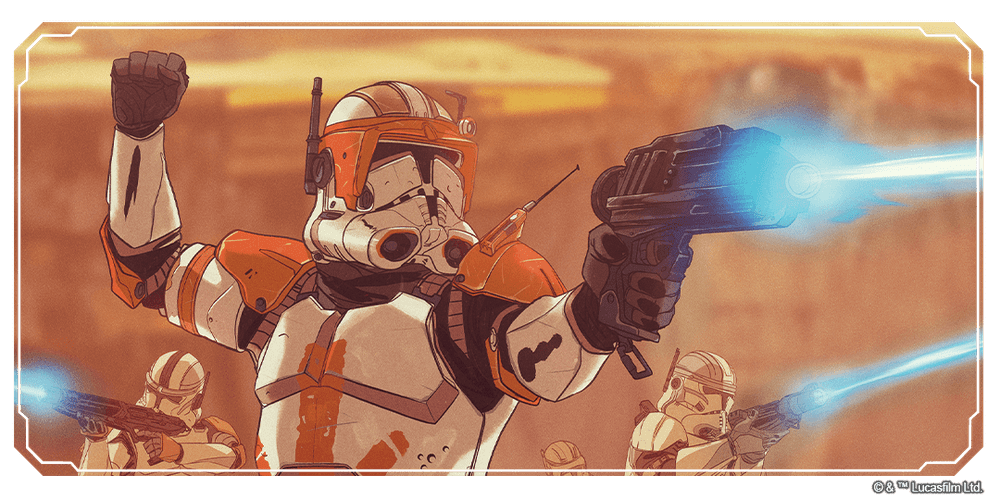
What We Thought: C-
What We Got: C-
Key Cards: Plo Koon, Ki-Adi-Mundi
The community saw Coordinate’s fate coming a mile away, but what was surprising was that it didn’t shake out the way we figured. Coordinate decks don’t exist- as predicted. The mechanic can’t match Exploit in raw utility- as predicted. But what took folks by surprise is that keeping the mechanic online is not the stone in Coordinate’s shoe. In fact, for most decks, it’s pretty doable against all but the most controlling opponents
No, Coordinate met a crueler fate, which is that the cards just plain don’t do much. Coordinate effect potency is mismatched in almost every instance, and many of the cards centered around it are sort of middling even with the switch flipped, to say nothing of how uninspiring they feel if you don’t manage to get the full effect. Much like Smuggle, the standouts like Plo Koon will stick around, but as a feature mechanic Coordinate just didn’t bring enough heat to be worth building around on a macro level.
Exploit
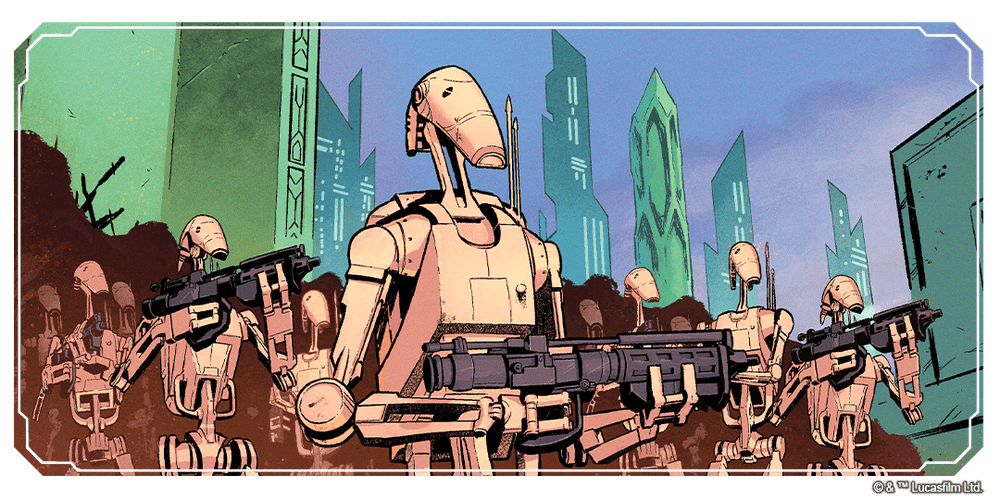
What We Thought: B
What We Got: D
Key Cards: Count Dooku, Heavy Persuader Tank, Infiltrating Demolisher
Cost reduction is good. Killing your own units is bad. This is the tension that Exploit has worked around as part of its core nature, and I would actually argue that in terms of theme and spice, it’s been really successful. If nothing else, combo-ing off with an Exploit deck is fun.
I don’t really think that many people expected a full blown Exploit deck to pop off, but I am a bit surprised that so few cards have broken through to make lists. Outside of the occasional Heavy Persuader Tank in Jango builds, Exploit cards are pretty much entirely absent from most builds. Viewed in a vacuum it may have ended up the least successful mechanic in the game to this point.
Token Units
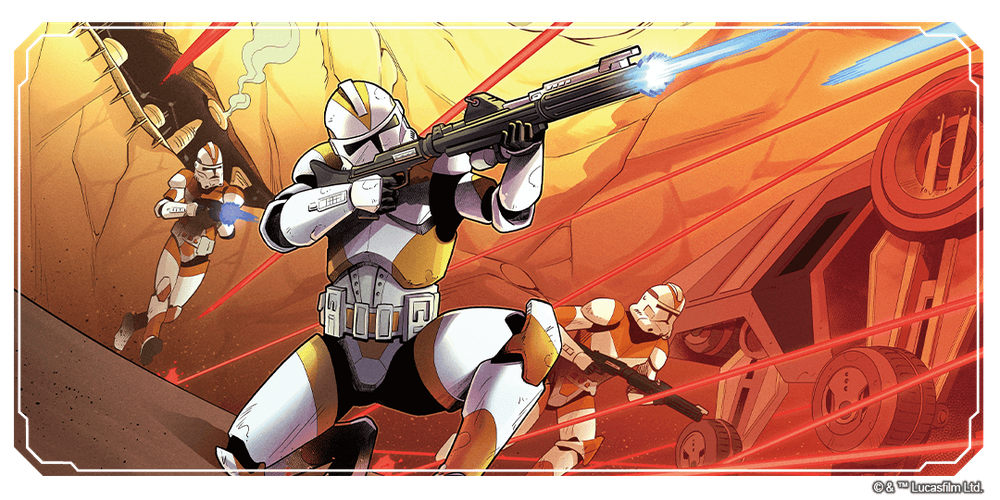
What We Thought: C+
What We Got: D
Key Cards: Poggle The Lesser, Batch Brothers, Jesse
Closely tied to Exploit on the villain side, the other major addition this set was token units. Their presence brings to mind things like swarm decks from other games, but the designs here are a lot less spammy than you might have expected. Even uninterrupted it’s not really possible to flood the board with any kind of efficient token army. Additionally, the set came pre-loaded with efficient AOE cards to prevent boards from drowning in tokens, like Clear The Field and Blood Sport.
As for how often Battle Droids and Clone Troopers actually end up on the table? It varies, but it’s definitely infrequent. Without Coordinate and Exploit not totally firing off as independent archetypes, the utility of disposable bodies proved to be, uh, dubious. Token decks are mostly not a thing.
A Look To The Future
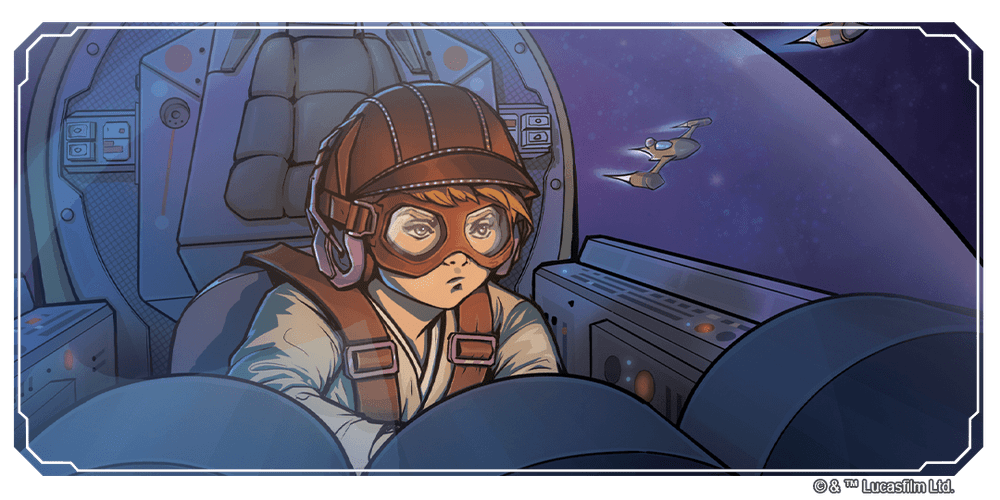
So why does this keep happening? Two sets in a row, the “featured” mechanics have not really proven themselves to be worth building around as a central deck concept. It’s not that the mechanics are unusable, because the best examples of them are widely played. But you get the impression that FFG just sort of knows that the SWU game system isn’t the kind of game where one dimensional decks can survive, fun as they might be.
I think it’s possible this is a feature, not a bug. SWU is a game that rewards smart sequencing and adjusting your play to your opponent. Very few decks can win reliably by just slamming the button on their Plan A and letting it go off. You really have to play.
Given that, it kind of makes sense that mechanics in and of themselves are functioning as pieces of larger shells built around efficiency and meta position, rather than being the engine for dedicated decks like we’ve seen in other games with burn, mill, cascade and the like.
All told, I think moving the bar makes sense at this point. Pilot decks in JTL ought to be fun, but in Premier play, we just might not see a successful deck that focuses on them to the detriment of a more diversified gameplan. Dreams of a Republic-drenched Coordinate deck are a lot of fun to imagine, but I’d trade that world for the one we’re in, where deck diversity at top tables is pretty high. I bet a lot of us would.
~~~~~~~~~~~~~~~~~~~~~~~~~~~~~~~~~~~
So how will Piloting pan out in Jump To Lightspeed? We’ll be watching it’s career with great interest as we look forward to our next episode of Chop Shop.
Until then, and as always- may the force be with you!




 Garbage Rollers
Leave a comment